
Introduction
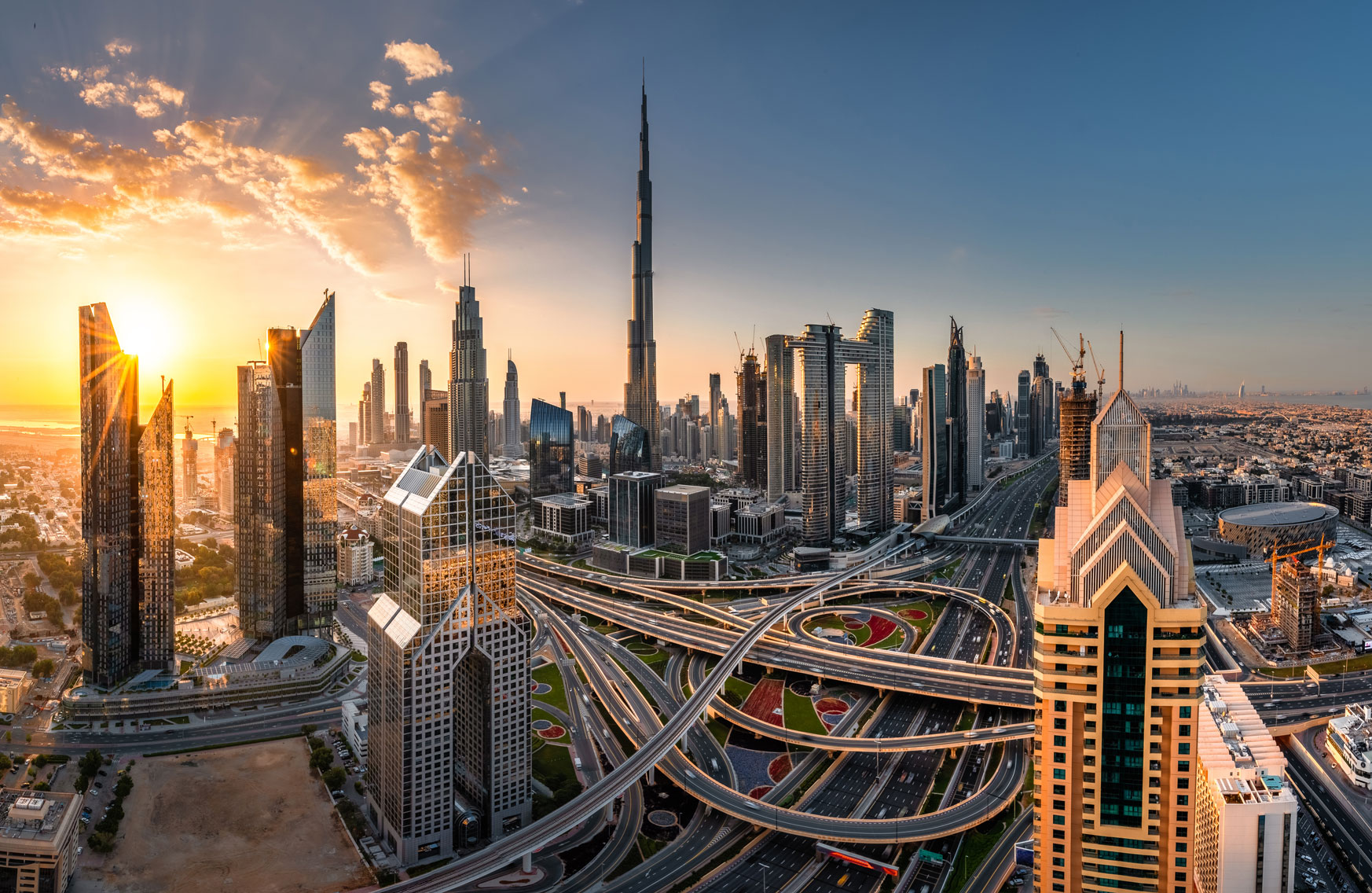
Steel supplier in Dubai are essential for the UAE’s rapid economic growth. Dubai has become one of the most important steel distribution centers in the Middle East, thanks to its strategic location, advanced port infrastructure, and growing industrial base. Whether for large construction projects, oil and gas installations, or industrial manufacturing, these suppliers play a vital role in supporting the region.
However, the steel market in Dubai is also highly competitive. Dozens of traders, distributors, and fabricators operate in the city — each offering different grades, origins, and price structures. For buyers, choosing the right partner depends on understanding both the local market and the global trends influencing steel supply and pricing.
Dubai: The Heart of the UAE’s Steel Trade
Dubai’s steel industry benefits from a perfect mix of factors: modern logistics, regional demand, and international connectivity. The Jebel Ali Port — one of the world’s largest man-made harbours — allows suppliers to import and export efficiently to and from Asia, Africa, and Europe.
The city also houses several industrial zones and free zones, such as Dubai Industrial City, JAFZA (Jebel Ali Free Zone), and Dubai Investments Park, where steel warehouses, service centres, and stockyards are concentrated. These zones allow suppliers to serve both domestic and international markets with speed and flexibility.
This ecosystem makes Dubai not only a market for steel buyers but also a re-export hub for the entire Middle East. Many regional contractors source directly from Dubai distributors due to faster delivery times and better inventory availability.
What Defines a Reliable Steel Supplier in Dubai
The best steel suppliers in Dubai share a few core characteristics that separate them from casual traders.
First, they maintain certified quality systems and adhere to standards such as ASTM, BS, and EN. They provide mill test certificates (MTCs) to verify product authenticity and mechanical properties.
Second, they offer a diverse product range — from structural steel (beams, angles, channels, and plates) to stainless, galvanized, and alloy grades — ensuring that clients can source all their requirements from one place.
Third, a reliable supplier prioritises timely delivery and stock availability. Dubai’s infrastructure allows distributors to maintain local warehouses, reducing project delays caused by import bottlenecks.
And finally, leading companies in Dubai are increasingly focused on sustainable practices, offering recycled or low-carbon steel options to align with international environmental goals. For more about this global shift, see Sustainable Steel Trading Practices.
The Role of Technology and Logistics
Digitalisation has changed how the steel trade operates in Dubai. Many suppliers now provide real-time inventory access, online quotations, and automated order tracking. These innovations help construction firms plan more accurately and maintain transparency in their procurement processes.
Logistics efficiency is another competitive factor. Dubai’s suppliers often integrate directly with shipping lines, customs clearance services, and inland transport networks, which allows them to guarantee delivery timelines that few regional competitors can match.
For a broader understanding of supply-demand movements, you can refer to Global Steel Market Trends 2025.
Sustainability and Green Steel Initiatives
Sustainability is gaining strong momentum in Dubai’s construction and industrial sectors. The UAE’s Net Zero 2050 strategy encourages local industries to adopt cleaner production and responsible sourcing.
Steel suppliers are adapting by partnering with manufacturers that use electric arc furnaces (EAF) or direct reduced iron (DRI) technologies — both of which significantly reduce carbon emissions. Some distributors also provide documentation such as Environmental Product Declarations (EPDs) to prove that their materials meet green-building requirements under LEED or Estidama standards.
Such initiatives not only strengthen a supplier’s market reputation but also attract international clients that prioritise environmentally responsible sourcing.
Opportunities for Buyers and Contractors
For buyers, Dubai’s steel market offers a combination of reliability, scale, and flexibility. Competitive pricing, abundant inventory, and access to global grades make it an ideal procurement location for regional projects.
However, smart purchasing still depends on due diligence — verifying supplier credentials, checking certifications, and comparing after-sales support. Building long-term partnerships with trusted distributors helps contractors secure consistent material supply and better pricing stability over time.
Moreover, Dubai’s proximity to both Asian producers and GCC end markets positions it as an excellent base for companies engaged in re-exporting steel products across the region.