


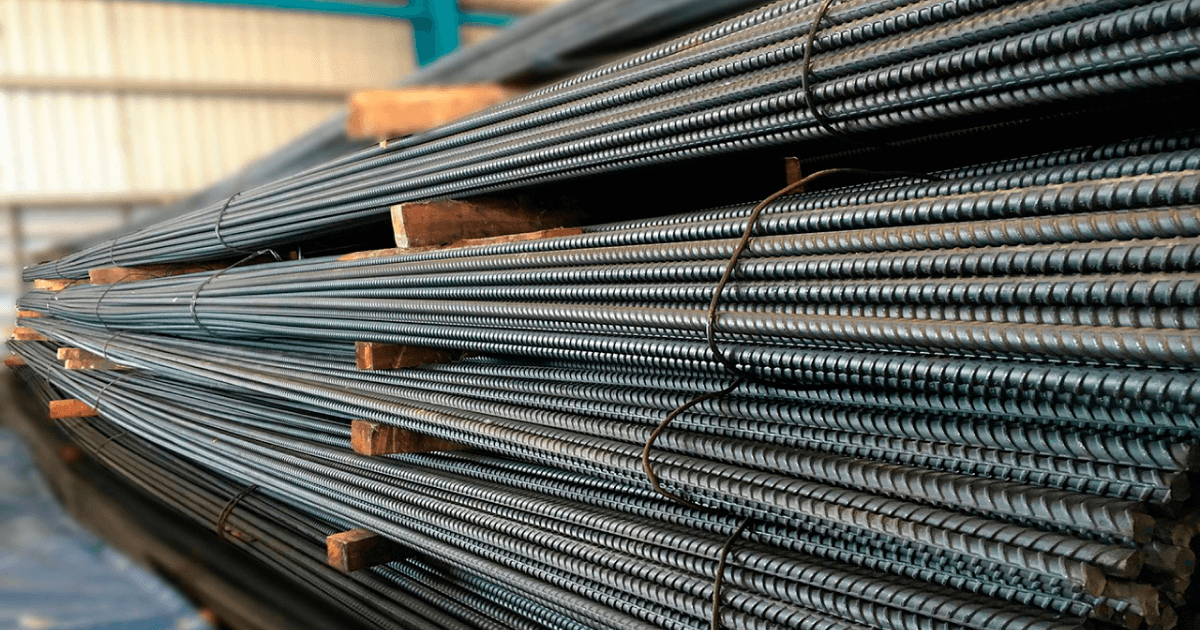

The Rebar Trade Market plays a crucial role in the global construction and infrastructure sector. Reinforcing bars, or rebars, are essential steel products used to strengthen concrete in buildings, bridges, highways, and other major structures. As urbanization and industrialization accelerate worldwide, the demand for reliable and high-quality rebar continues to rise.
Global Market Overview
The global rebar trade market has witnessed significant growth over the past decade. Major producers such as China, Turkey, and India have dominated production, while regions like the Middle East, Africa, and Southeast Asia continue to import large volumes to support their construction needs.
According to recent industry reports, the market is projected to surpass USD 300 billion by 2030, driven by increased infrastructure spending and sustainable development efforts.
Key Trends in Rebar Trade
- Demand for eco-friendly and low-carbon steel products is rising, especially in the construction of green buildings.
- Technological innovations such as advanced metallurgy and digital logistics are improving rebar quality and global trade efficiency.
- Geopolitical factors, including tariffs and trade restrictions, continue to influence supply chains and pricing in the rebar market.
Major Exporters and Importers
China, Turkey, Ukraine, Russia, and Brazil remain leading exporters of rebars, while countries like Saudi Arabia, the UAE, Egypt, the USA, and Nigeria are major importers.
Trade flows are shifting as countries seek to diversify sources and stabilize prices in response to market volatility.
Market Challenges
Despite growing global demand, the rebar market faces several challenges:
- Volatility in the prices of raw materials such as iron ore and scrap steel
- Increasing environmental regulations impacting production methods
- Rising shipping and logistics costs, especially after the pandemic
Strategic Opportunities
- Investing in high-strength rebar for use in seismic zones
- Improving transparency in the supply chain with blockchain technology
- Developing regional partnerships to reduce dependency on long-distance imports
Conclusion
The Rebar Trade Market is dynamic and full of potential. Companies that embrace innovation, sustainability, and strategic international partnerships will thrive in this competitive environment.