

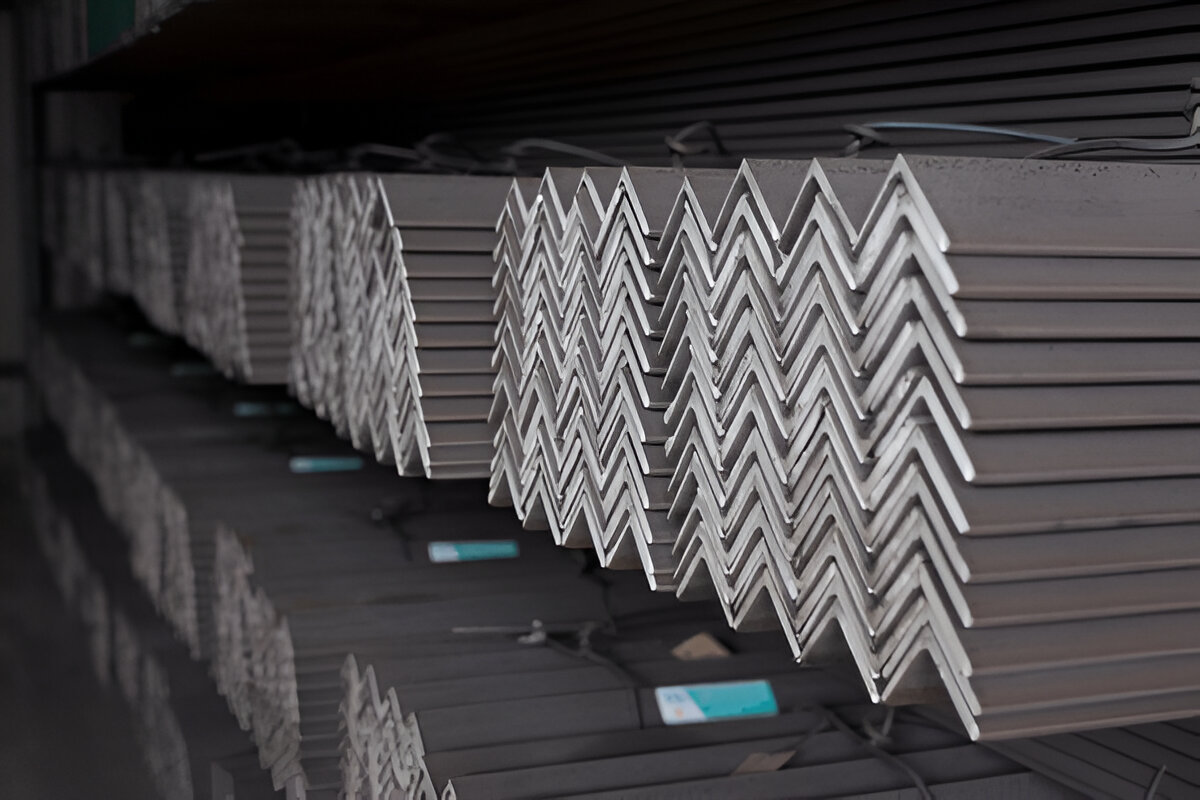

Introduction: The Backbone of Smart and Resilient Infrastructure
Structural Steel Supply in 2025 is evolving rapidly as global trade flows shift, infrastructure demands grow, and environmental regulations reshape production priorities. Structural steel remains a core material in everything from megaprojects and skyscrapers to renewable energy plants and modular housing developments. This article explores the latest trends, challenges, and opportunities in global steel supply—focusing on innovation and trade strategy.
Market Trends: From Local Projects to Global Supply Chains
The global steel trade market is being redefined by post-pandemic construction booms and mega-development plans in Asia, the Middle East, and Africa.
Countries are increasing their imports of structural steel to fulfill urban expansion needs, especially in:
- Saudi Arabia’s NEOM and Vision 2030 projects
- Egypt’s New Administrative Capital
- India’s Smart Cities Mission
This mirrors demand patterns seen in Rebar Trade Market and Steel Billet Export, where bulk shipments and fast delivery are now standard requirements.
Major Exporters and Strategic Supply Hubs
The largest exporters of structural steel in 2025 include:
- China – Leader in output and low-cost delivery
- Turkey – Focused on European and MENA markets
- India – Competitive pricing and compliance with green standards
Emerging exporters like Vietnam and Brazil are also stepping in to meet shortages caused by regional conflicts or production gaps. Parallelly, Metal Section Export and Industrial Iron Sales are gaining volume due to prefabricated building systems.
Key Challenges Facing Structural Steel Supply
Despite robust demand, the structural steel market faces challenges that affect both supply consistency and cost structures:
1. Raw Material Volatility
Fluctuations in Iron Billet Price and scrap steel availability are impacting production cycles.
2. Environmental Regulations
Countries enforcing stricter emissions policies push steelmakers toward low-carbon production, increasing operational costs.
3. Logistics Disruptions
Shipping bottlenecks, especially in the Red Sea and South China Sea routes, cause delays and raise freight charges.
Technological Integration and Sustainable Approaches
To stay competitive, suppliers and buyers are embracing innovation:
- Blockchain-powered tracking systems ensure supply chain transparency.
- Hybrid steel compositions reduce carbon footprints while retaining strength.
- AI-based forecasting models optimize stockpiling and reduce project delays.
In line with trends in Heavy Metal Trade, the push for green steel is driving collaborative R&D across continents.
Trade Forecast and Regional Strategies
Global demand for Steel Product Export—including beams, plates, and sections—is projected to grow by 5.8% annually through 2030.
Strategic shifts include:
- Middle Eastern countries signing long-term supply contracts with Asian steel giants
- European nations subsidizing eco-certified structural steel imports
- African governments investing in local steel processing to reduce dependency
Conclusion: Steel Supply as a Strategic Asset
The Structural Steel Supply landscape in 2025 is being reshaped by innovation, sustainability, and geopolitical realignments. Stakeholders who prioritize agility, digital infrastructure, and eco-conscious sourcing are poised to thrive. As the market converges with Rebar Global Demand and Steel Industry News, one thing is clear—structural steel is not just a building material; it’s a symbol of a nation’s growth and resilience.
According to the World Steel Association, global structural steel demand is expected to grow steadily due to infrastructure expansion in emerging economies.